
Uganda Tours
Uganda is one of the most biodiverse countries on Earth and one of the last places where you can sit just a few feet from a wild mountain gorilla. With misty rainforests, sweeping savannas, the thundering Nile, and more than 1,000 bird species, Uganda offers an experience unlike anywhere else in East Africa. It is a destination built around intimate wildlife encounters, pristine wilderness, and remarkably few crowds.
While big-game safaris are generally stronger in Tanzania or Kenya — with larger concentrations of plains game and predators — Uganda offers something those countries cannot: the chance to combine classic safari game drives with gorilla trekking, chimpanzee tracking, and some of the finest birding on the continent. Safari vehicles in Uganda’s parks are refreshingly sparse, giving you a quieter, more personal connection with the wildlife. For travelers seeking a well-rounded East African adventure, Uganda is the perfect complement to a Tanzania or Kenya safari.
IN THIS GUIDE
Safari & Primate Trekking | Best time to visit | Permit Fees | Hotel & Lodges | Itineraries | Resources & Blog
Uganda Travel Guide: Safari & Primate Trekking
Uganda is home to roughly half of the world’s remaining mountain gorillas, along with the largest population of wild chimpanzees in East Africa. It is one of only two places in Africa where you can see tree-climbing lions, and the source of the Nile provides one of the continent’s most dramatic landscapes. With fewer visitors than neighboring countries, Uganda delivers a sense of discovery that feels increasingly rare in East African travel.
A typical Uganda itinerary combines two or three national parks over 7–12 days. Because some parks are far apart — Bwindi to Murchison Falls is roughly 10 hours by road, for example — we recommend flying at least one leg to save time and maximize your days in the field. Domestic flights operated by Aerolink connect Entebbe to Bwindi, Queen Elizabeth, Murchison Falls, and Kidepo, with most flights under 90 minutes.
Uganda is also a more affordable destination for gorilla trekking than neighboring Rwanda. Gorilla permits in Uganda are $800 compared to $1,500 in Rwanda, and accommodations across Uganda are generally less expensive as well. When you factor in both permit costs and lodging, a gorilla trekking trip in Uganda offers significant savings — without sacrificing the quality of the experience.
Mountain Gorilla Capital of the World
Bwindi Impenetrable National Park
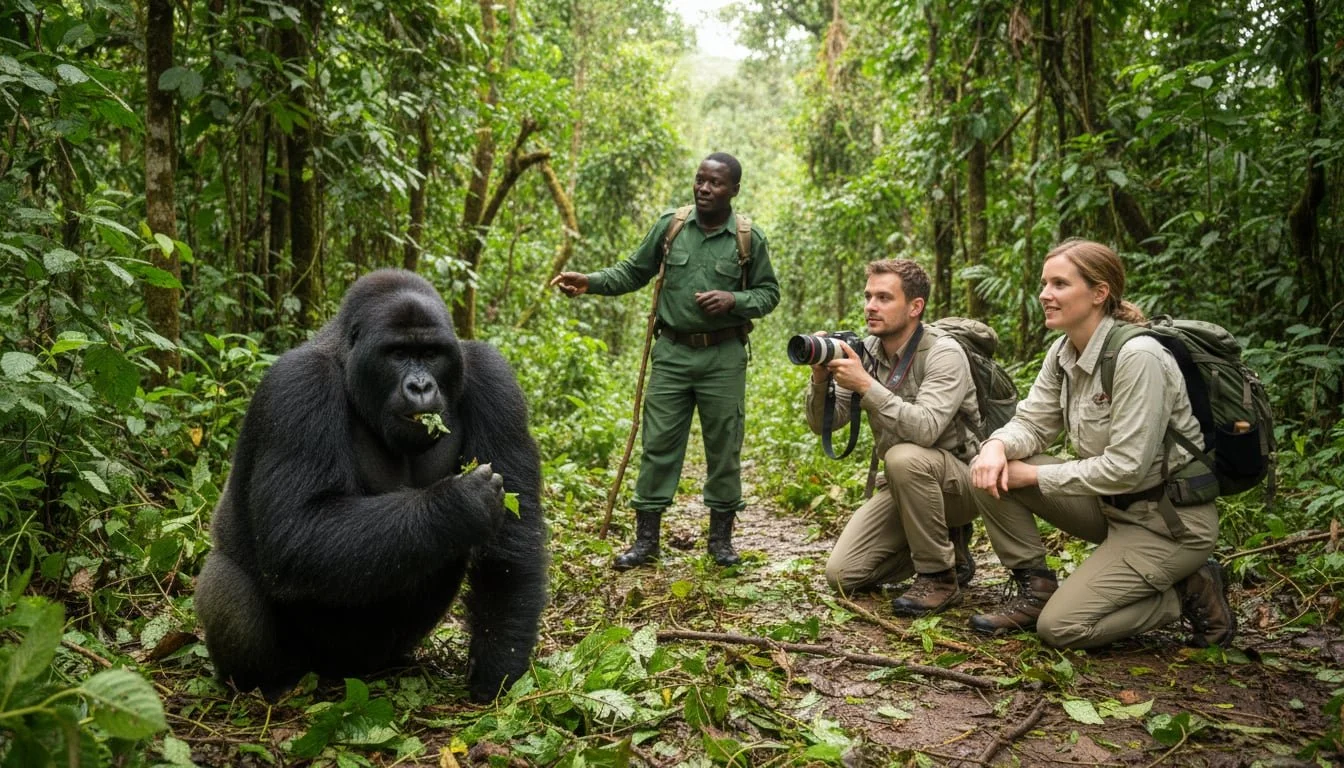
Bwindi Impenetrable National Park is a UNESCO World Heritage Site and home to approximately half of the world’s mountain gorillas. The park spans over 300 square kilometers of dense, ancient rainforest draped across the steep ridges of southwestern Uganda. Trekking through Bwindi to spend an hour with a gorilla family is one of the most profound wildlife experiences on Earth — a moment that stays with you long after you leave.
Bwindi is divided into four trekking sectors, each with its own character and gorilla families:
Rushaga Sector
Rushaga is Bwindi’s southernmost sector and home to the highest number of habituated gorilla families, making permits more readily available here than in other sectors. Rushaga is also the only place in the world offering the Gorilla Habituation Experience — an extended trek where you spend up to four hours with a semi-habituated gorilla family, observing researchers at work as the gorillas gradually grow accustomed to human presence. Both regular gorilla tracking and habituation treks are available from Rushaga.
Reaching Rushaga from Kigali, Rwanda: The Rushaga sector is easily accessed from Kigali, Rwanda — a scenic 3–4 hour drive through the Rwandan highlands via the Cyanika border crossing. For travelers combining Uganda gorilla trekking with a Rwanda visit or arriving on international flights to Kigali, this is often the most convenient route into Bwindi.
Buhoma Sector
Buhoma is Bwindi’s original gorilla trekking sector and remains the most visited. It was here that the first gorilla family was habituated in 1993, and the sector has the most developed infrastructure. Buhoma offers a good balance of accessibility and authentic forest trekking. The terrain is generally moderate compared to other sectors, though every trek is different.
Ruhija Sector
Ruhija sits at higher elevation on Bwindi’s eastern edge and is home to four habituated gorilla families. The sector offers excellent birding alongside gorilla trekking, with many of Bwindi’s 24 Albertine Rift endemic bird species found here. The landscape is more open than other sectors, with bamboo forests giving way to panoramic ridge views.
Nkuringo Sector
Nkuringo is the most physically demanding sector and the most dramatically scenic. Perched on a steep hillside with sweeping views of the Virunga volcanoes, Nkuringo rewards those willing to tackle its challenging terrain. The trekking here is steep and strenuous, but the sense of remoteness and the volcanic backdrop make it unforgettable.
A Stunning Retreat After Gorilla Trekking
Lake Mutanda
Just a short drive from Bwindi’s Rushaga sector, Lake Mutanda is one of Uganda’s most beautiful and least-known destinations. This pristine volcanic lake sits at 1,800 meters elevation, surrounded by the dramatic silhouettes of three extinct volcanoes — Mount Muhabura, Mount Sabyinyo, and Mount Gahinga. The setting is breathtaking, and the pace of life here is wonderfully slow.
Lake Mutanda is the perfect place to unwind after the physical and emotional intensity of gorilla trekking. Spend a morning kayaking on the glassy water, hike through the surrounding hills to small communities and waterfalls, or simply sit on the shore and take in one of the most beautiful views in East Africa. The lake is free of hippos and crocodiles, making it safe for swimming and paddling — a rarity in this part of the world. For travelers trekking in Rushaga, a night or two at Lake Mutanda is a relaxing and scenic way to round out your gorilla experience.
Golden Monkeys & Volcanic Trails
Mgahinga Gorilla National Park
Golden Monkeys & Volcanic Trails
Mgahinga Gorilla National Park sits at the base of the Virunga volcanoes in Uganda’s far southwestern corner, bordering both Rwanda and the Democratic Republic of Congo. While Mgahinga is home to one habituated gorilla family, it is best known for golden monkey trekking — a unique experience found only in the Virunga volcanic region. These striking, playful primates live in the bamboo forests on the volcano slopes, and tracking them is a lighter, faster-paced alternative to gorilla trekking that pairs beautifully with a day in Bwindi. Mgahinga also offers hiking on Mount Sabyinyo and Mount Gahinga for travelers looking to add a volcanic trek to their itinerary.
Kazinga Channel Boating & Classic Safari
Queen Elizabeth National Park & Ishasha Wilderness
Queen Elizabeth National Park is Uganda’s most popular safari destination, straddling the equator with an extraordinary range of habitats — from open savanna and acacia woodland to crater lakes, wetlands, and dense tropical forest. The park is home to over 95 mammal species and more than 600 bird species, making it one of the most biodiverse protected areas in Africa.
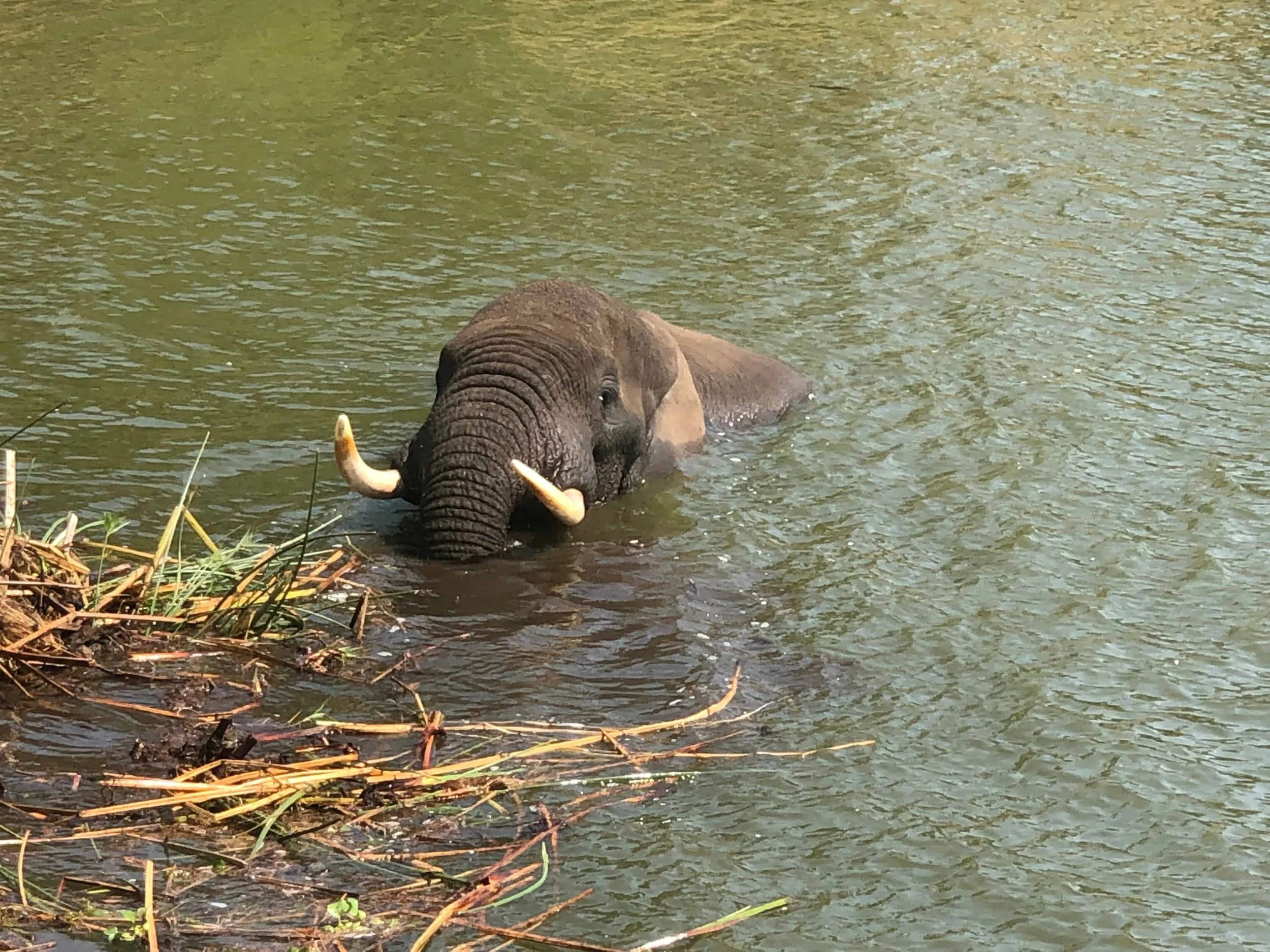
The Kazinga Channel, a 40-kilometer natural waterway connecting Lake Edward and Lake George, is the centerpiece of the park. A boat cruise along the channel is one of Uganda’s iconic experiences, bringing you remarkably close to hippos, Nile crocodiles, elephants, and enormous flocks of waterbirds. Game drives on the Kasenyi plains offer sightings of lions, leopards, Uganda kob, and buffalo against a backdrop of the Rwenzori Mountains.
The Ishasha Wilderness: The southern Ishasha sector is famous for its tree-climbing lions — one of only two populations in Africa known for this behavior (the other being in Tanzania’s Lake Manyara region). Watching a pride of lions draped across the branches of a massive fig tree is a sight you won’t forget. Ishasha also serves as a natural transit point between Queen Elizabeth and Bwindi, making it easy to combine big-game safari with gorilla trekking.
The Primate Capital of the World
Kibale Forest National Park
Kibale Forest is home to the highest density and diversity of primates in Africa, earning its reputation as the Primate Capital of the World. The park harbors 13 primate species, including over 1,500 wild chimpanzees. Chimpanzee trekking in Kibale is the premier chimp experience in East Africa — well-habituated communities allow for close and extended observation as the chimps forage, play, groom, and vocalize through the canopy.
Beyond chimpanzees, Kibale’s forest trails offer encounters with red colobus monkeys, black-and-white colobus, L’Hoest’s monkeys, grey-cheeked mangabeys, and olive baboons. The park also supports over 370 bird species, including 23 Albertine Rift endemics. Kibale pairs naturally with Queen Elizabeth National Park, which lies just to the south, creating a primates-and-safari combination that is one of Uganda’s most popular itineraries.
The Power of the Nile
Murchison Falls National Park
Murchison Falls is Uganda’s largest national park, spanning nearly 4,000 square kilometers of rolling savanna, riverine forest, and woodland bisected by the Victoria Nile. The park’s centerpiece is the falls themselves — a geological marvel where the entire Nile forces through a 7-meter gap in the rock before plunging 43 meters into the gorge below. It is one of the most powerful waterfalls in the world.
A boat safari upstream toward the base of the falls is among East Africa’s great wildlife experiences. Hippos surface in pods along the banks, Nile crocodiles bask on sandy shores, and elephants come to drink as African fish eagles circle overhead. The park is home to lions, leopards, giraffes (the Rothschild’s subspecies), and buffalo, with game drives on the northern bank offering classic savanna safari. Nearby Ziwa Rhino Sanctuary provides an opportunity to track reintroduced white rhinos on foot, completing Uganda’s Big Five experience.
Uganda’s Best-Kept Secret
Kidepo Valley National Park
Kidepo Valley is widely regarded as one of the most beautiful national parks in Africa, yet it remains one of the least visited. Tucked into Uganda’s remote northeastern corner near the South Sudan border, Kidepo rewards those willing to make the journey with vast, untouched landscapes and wildlife found nowhere else in Uganda — including zebras, cheetahs, caracals, and ostriches.
The Narus Valley is the heart of game-viewing activity, where lions, elephants, buffalo, and large herds of Jackson’s hartebeest and Uganda kob congregate around seasonal water sources. With over 475 bird species and a semi-arid landscape that feels more like northern Kenya than the rest of Uganda, Kidepo offers a sense of frontier wilderness that is increasingly rare. Domestic flights from Entebbe make the park accessible without the long overland drive, and a 2–3 night stay is well worth adding to any Uganda itinerary.
A Compact Safari on the Road West
Lake Mburo National Park
Lake Mburo is Uganda’s smallest savanna national park, but what it lacks in size it makes up for in accessibility and charm. Located roughly halfway between Kampala and the western parks, Lake Mburo is a convenient first or last stop on a longer Uganda itinerary. The park is centered around a cluster of lakes fringed by acacia woodland and rolling grassland, home to zebras, elands, impalas, topis, and hippos — along with leopards that are occasionally spotted on night drives. It is one of the few parks in Uganda where you can enjoy walking safaris, horseback safaris, and boat cruises alongside traditional game drives. A single night at Lake Mburo breaks up the long drive west and offers a relaxed introduction to Uganda’s wildlife.
Africa’s Premier Birding Destination
Birding in Uganda
With over 1,000 recorded bird species — roughly half of all species found on the African continent — Uganda is arguably the finest birding destination in Africa. The country’s extraordinary avian diversity is driven by its position at the intersection of multiple biomes: the vast Albertine Rift, equatorial rainforests, East African savannas, and Afro-alpine moorlands all converge within Uganda’s borders.
Bwindi Impenetrable Forest alone harbors 24 of the 41 Albertine Rift endemic species — birds found nowhere else on Earth. Kibale, Queen Elizabeth, and the Rwenzori foothills add further depth, with specialties like the African green broadbill and Shelley’s crimsonwing. For many visiting birders, the ultimate prize is the shoebill stork — a prehistoric-looking, five-foot-tall bird that stalks the papyrus swamps of Uganda’s wetlands. The Mabamba Bay Swamp on the shores of Lake Victoria, just a short boat ride from Entebbe, is one of the most reliable places in Africa to find the shoebill in the wild. Murchison Falls National Park’s Nile Delta is another prime shoebill habitat, where the bird can sometimes be spotted from a boat safari. Whether you are a dedicated lister or a casual observer, Uganda’s birding will astonish you.
For more on birding in East Africa, visit our ornithology page.
Best Time to Visit Uganda
Uganda can be visited year-round, but the dry seasons offer the best conditions for both safari game drives and gorilla trekking. The two main dry seasons — June through August and December through February — bring drier trails in Bwindi, better road conditions between parks, and more concentrated wildlife around water sources. The wet season months of April, May, and November see fewer visitors and can offer lower rates, though trails in Bwindi can be muddy and slippery.
| Month | Weather | Game Viewing | Gorilla Trekking | Crowds | Relative Cost |
|---|---|---|---|---|---|
| Dry Season — December through February | |||||
| December | Dry | Very Good | Very Good | High | $$$ |
| January | Dry | Very Good | Excellent | Moderate | $$ |
| February | Dry | Very Good | Excellent | Moderate | $$ |
| Wet Transition — March | |||||
| March | Wet transition | Good | Good | Low–Moderate | $$ |
| Long Rains — Low Season (Discounted Permits) | |||||
| April | Heavy rain | Fair | Challenging (muddy trails) | Low | $ |
| May | Heavy rain | Fair | Challenging (muddy trails) | Low | $ |
| Dry Season — June through August (Peak) | |||||
| June | Dry | Very Good | Excellent | High | $$$ |
| July | Dry | Excellent | Excellent | Peak | $$$ |
| August | Dry | Excellent | Excellent | Peak | $$$ |
| Transition & Short Rains — September through November | |||||
| September | Dry–Wet transition | Very Good | Very Good | Moderate | $$ |
| October | Wet | Good | Good | Low–Moderate | $$ |
| November | Wet | Fair–Good | Good (shorter treks possible) | Low | $ |
Uganda can be visited year-round. Gorilla trekking conditions are best during the dry seasons (Jun–Aug, Dec–Feb) when Bwindi’s trails are drier. Discounted low-season gorilla permits ($600) are available in April, May, and November.
Uganda Park & Permit Fees: July 2026–2027
The Uganda Wildlife Authority (UWA) announced revised permit fees effective July 1, 2026. The new rates include increases across most activities, including gorilla and chimpanzee trekking. Planning and booking early is essential, as gorilla permits are limited to eight visitors per gorilla family per day and sell out months in advance during peak season.
Key change for 2027: Gorilla tracking permits for foreign non-residents rise to $800, while the Gorilla Habituation Experience — an extended trek available only in Bwindi’s Rushaga sector — increases to $1,800. Chimpanzee tracking in Kibale rises to $300. These increases reflect growing global demand for primate trekking and UWA’s commitment to sustainable conservation funding. We recommend booking permits 6–10 months in advance for peak travel dates.
| Activity | Foreign Non-Resident | Foreign Resident | East African Citizen |
|---|---|---|---|
| Gorilla Experiences | |||
| Gorilla Tracking | $800 | $700 | $500 |
| Gorilla Habituation Experience Rushaga sector only — up to 4 hours |
$1,800 | $1,600 | $1,000 |
| Chimpanzee Experiences | |||
| Chimpanzee Tracking (Kibale) | $300 | $200 | $100 |
| Chimpanzee Habituation (Kibale) | $400 | $300 | $250 |
| Chimpanzee Tracking (Kyambura Gorge) | $200 | $150 | $100 |
| Other Wildlife Experiences | |||
| Experiential Lion Tracking | $500 | $300 | $300 |
| Golden Cat Tracking (Kibale, 5 days) | $350 | $350 | $350 |
| Rhino Tracking, Ziwa — Adults | $20 | $15 | $10 |
| Rhino Tracking, Ziwa — Children | $5 | $5 | $3 |
| Guided Walks | |||
| Rushaga to Nkuringo | $80 | $50 | $50 |
| Buhoma to Nkuringo | $100 | $50 | $50 |
| Low Season Rates — April, May & November | ||
|---|---|---|
| Activity | Foreign Non-Resident | Foreign Resident |
| Gorilla Tracking | $600 | $500 |
| Chimpanzee Tracking | $200 | $150 |
Rates effective July 1, 2026 per the Uganda Wildlife Authority. All prices in USD. Low season permits cannot be rescheduled. Gorilla permits are limited to 8 visitors per family per day — book 6–10 months in advance for peak season.
Low season tip: The Uganda Wildlife Authority has introduced discounted low-season permits for April, May, and November. Gorilla tracking permits drop to $600 (foreign non-resident) and chimpanzee tracking to $200 during these months — a meaningful savings that makes the shoulder season worth considering if you don’t mind the possibility of rain.
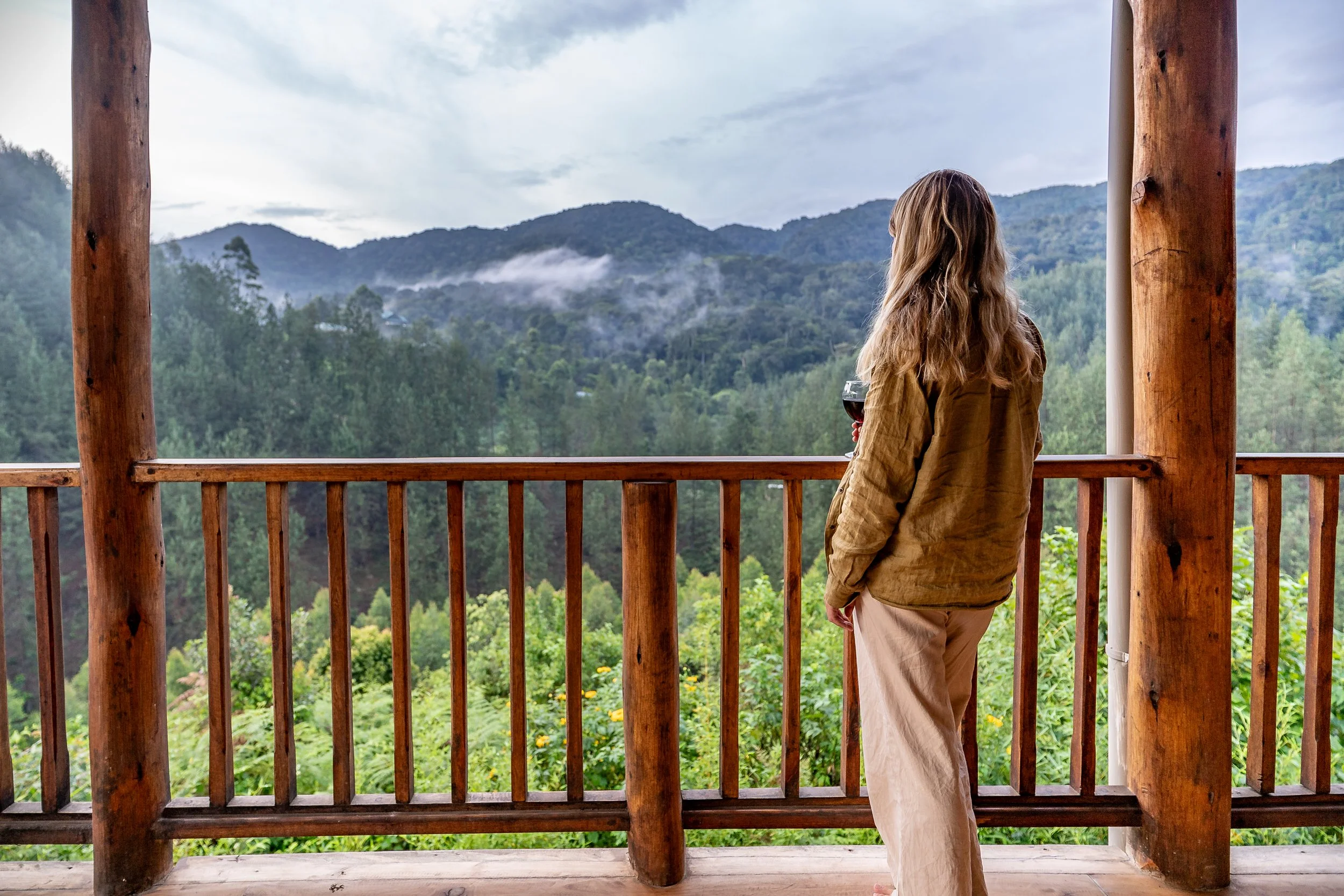
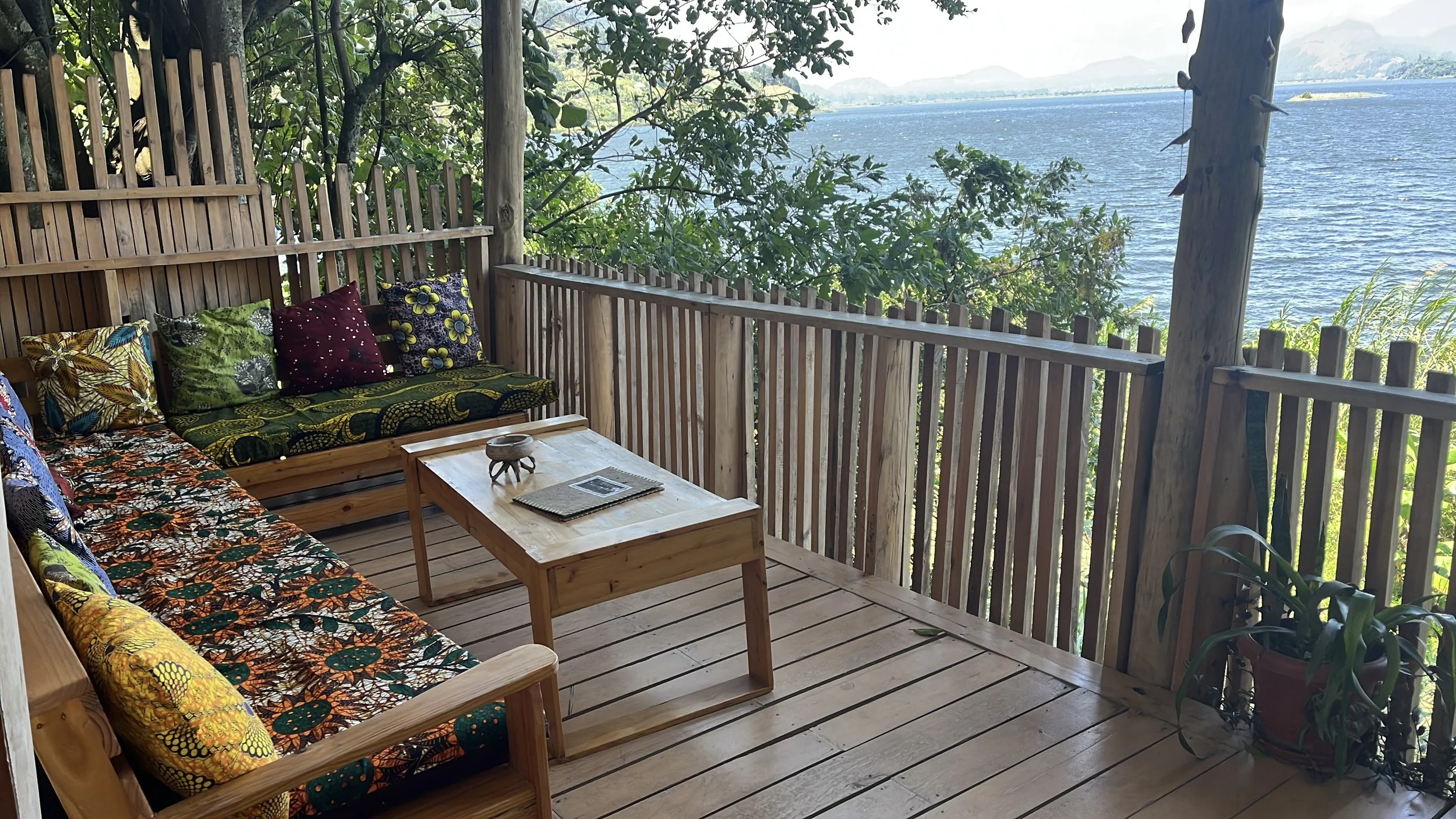
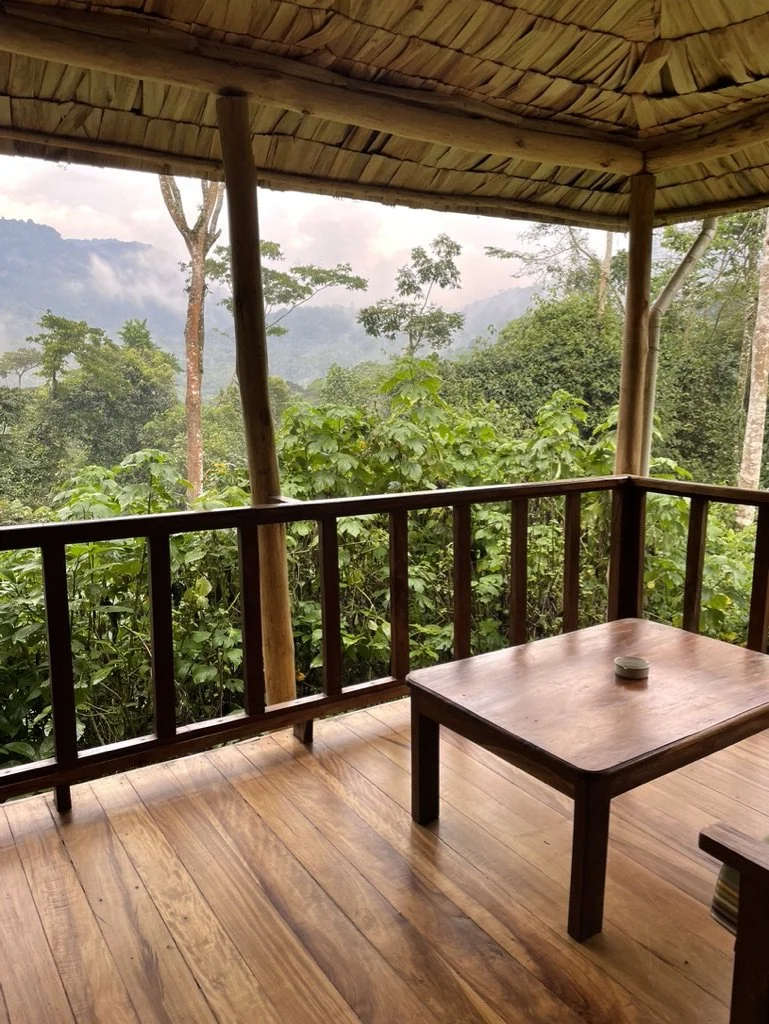
Safari Lodges and Hotels Reviews
Our Favorite Itineraries in East Africa

Culture and the Wild Itinerary
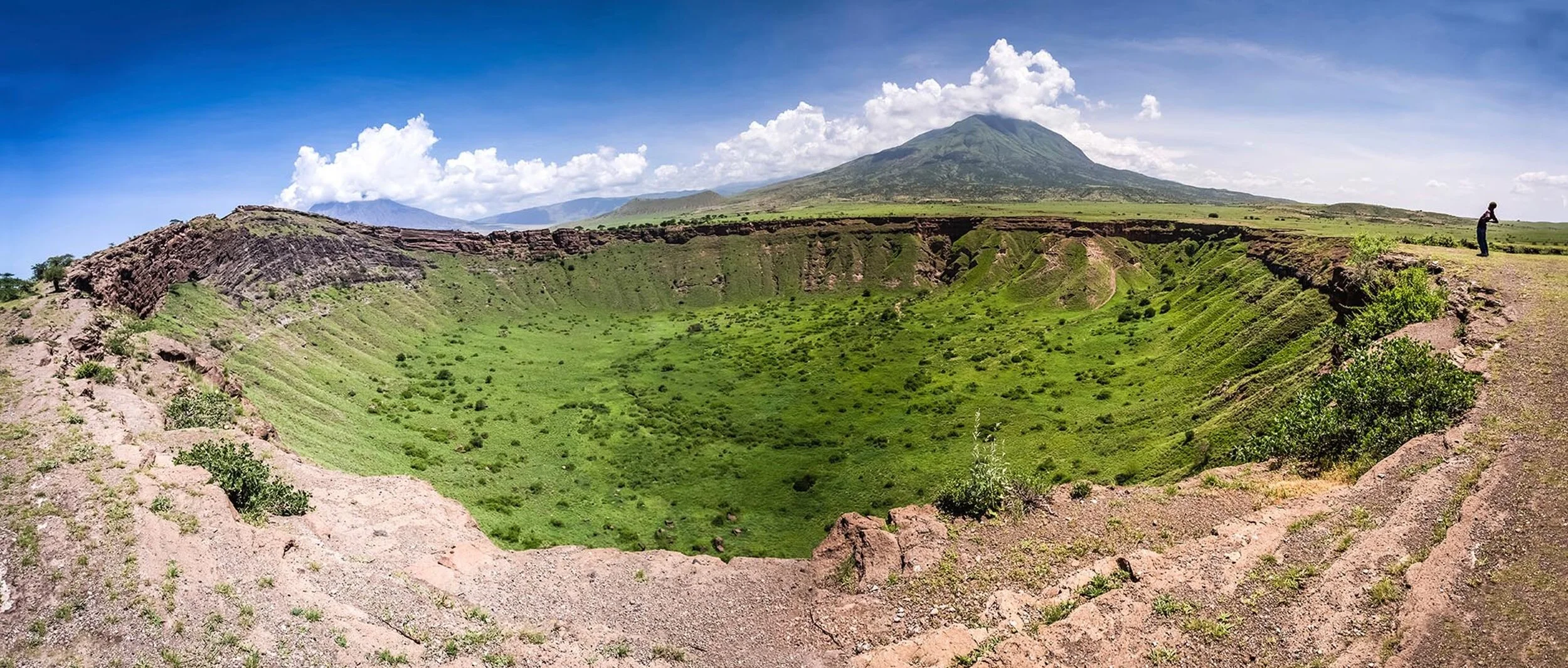
Culture, Hiking & Volcano Summit Itinerary
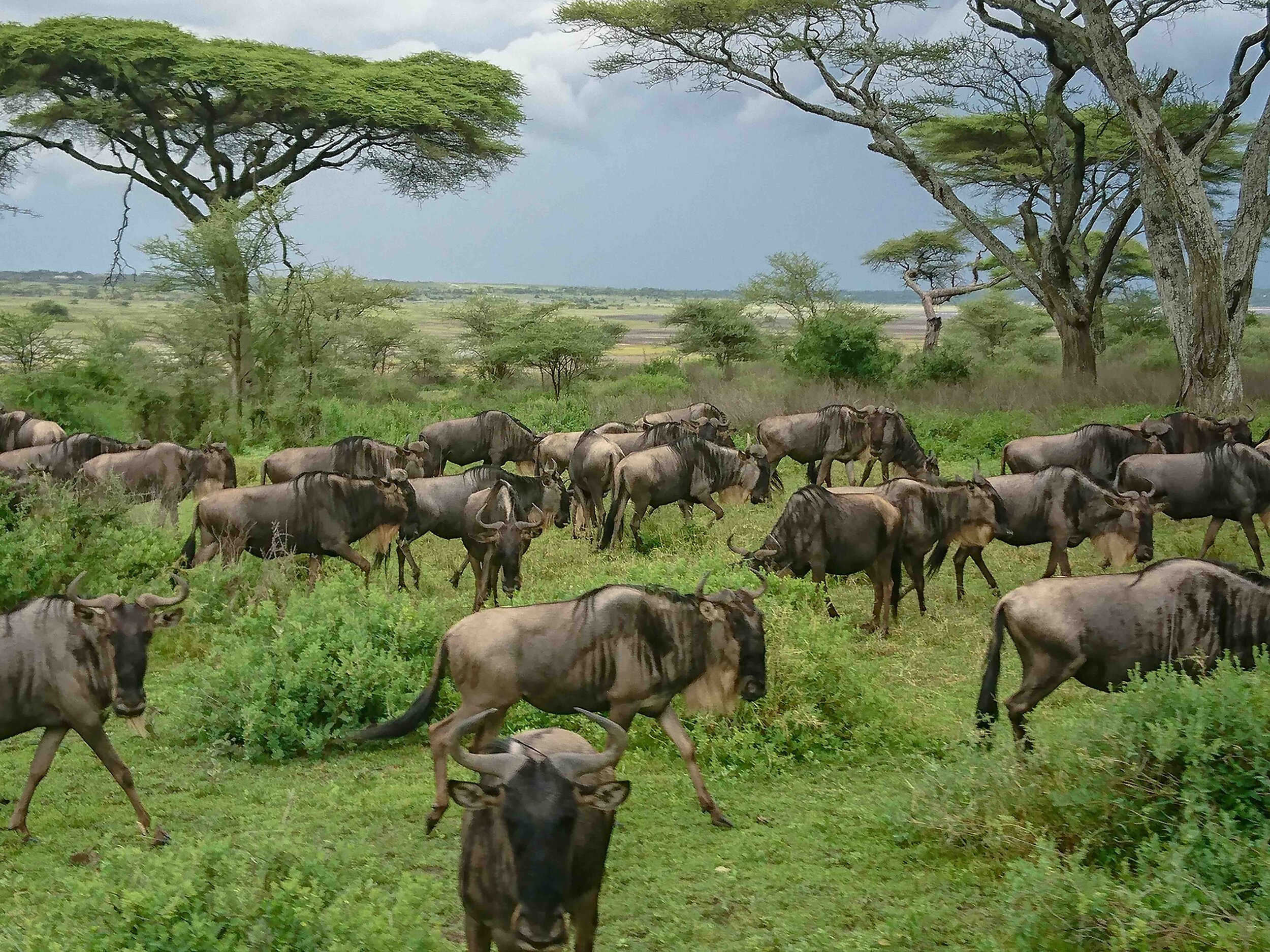
The Northern Circuit Itinerary

Pangani and Saadani Itinerary

Day hike in Kilimanjaro Rainforest Itinerary

The Southern Circuit Itinerary

Mountains, Safari & Beach Itinerary
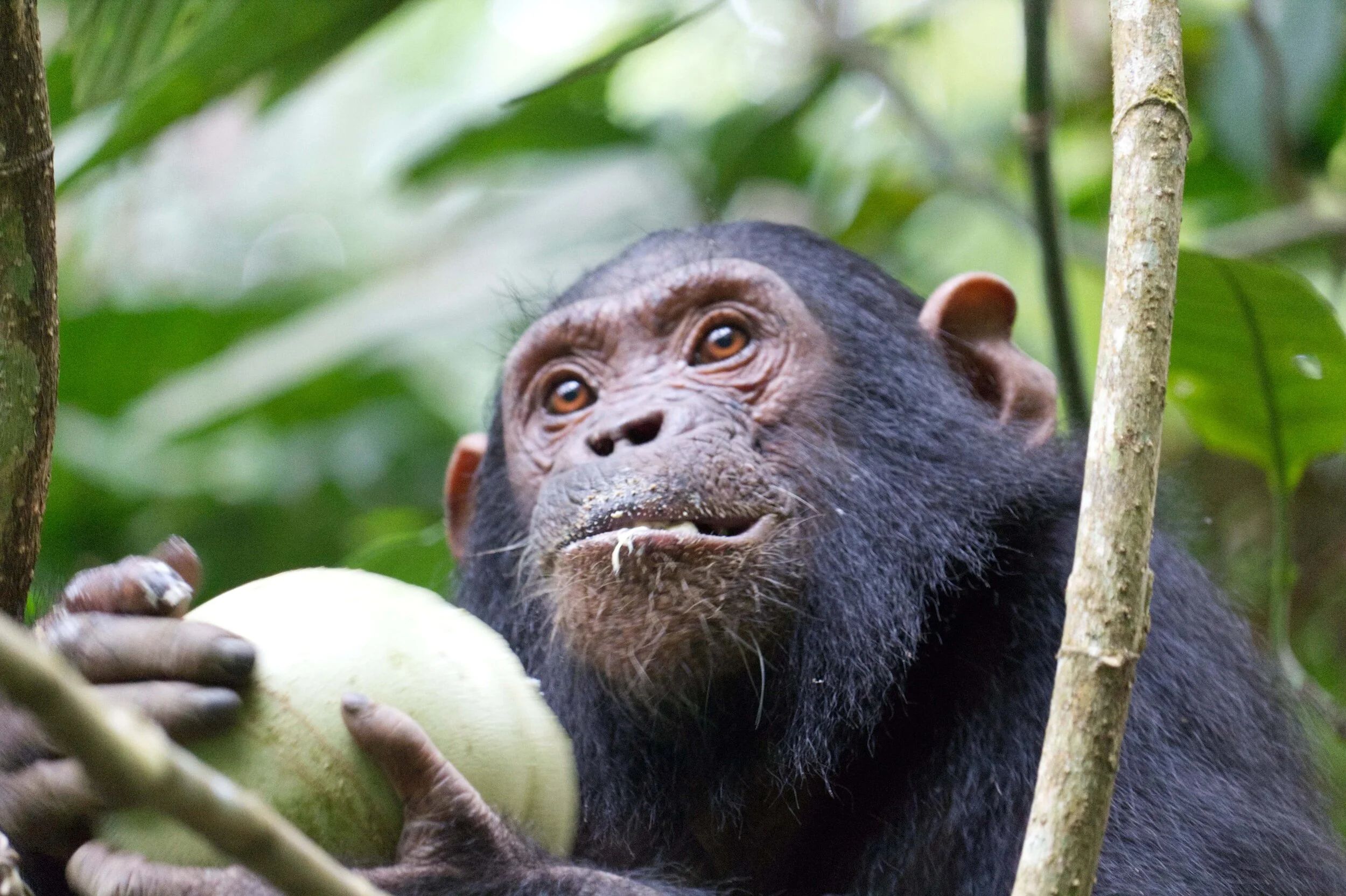
Remote & Wild Western Tanzania Itinerary

Safari & Zanzibar Sand Itinerary
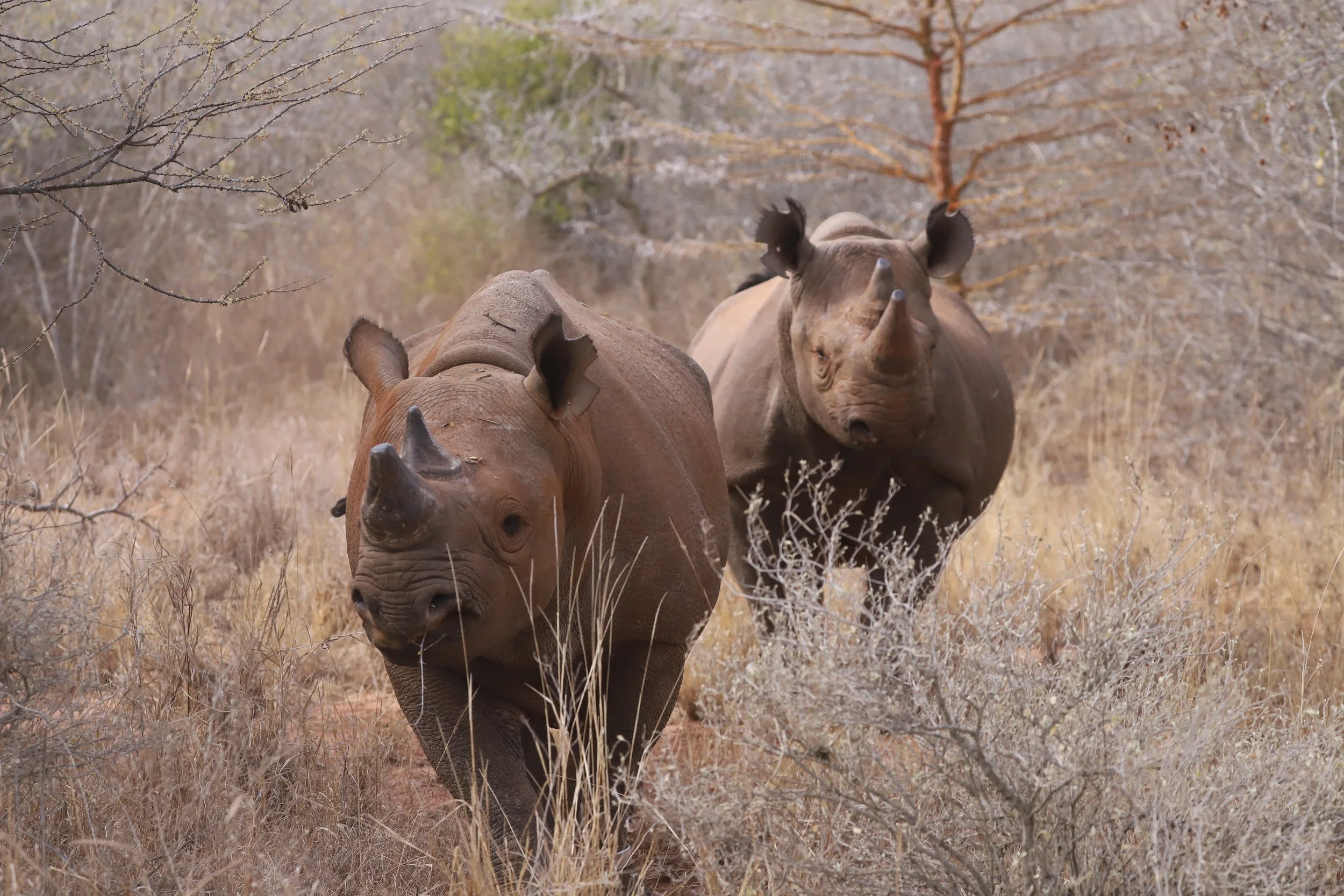
Mkomazi National Park